

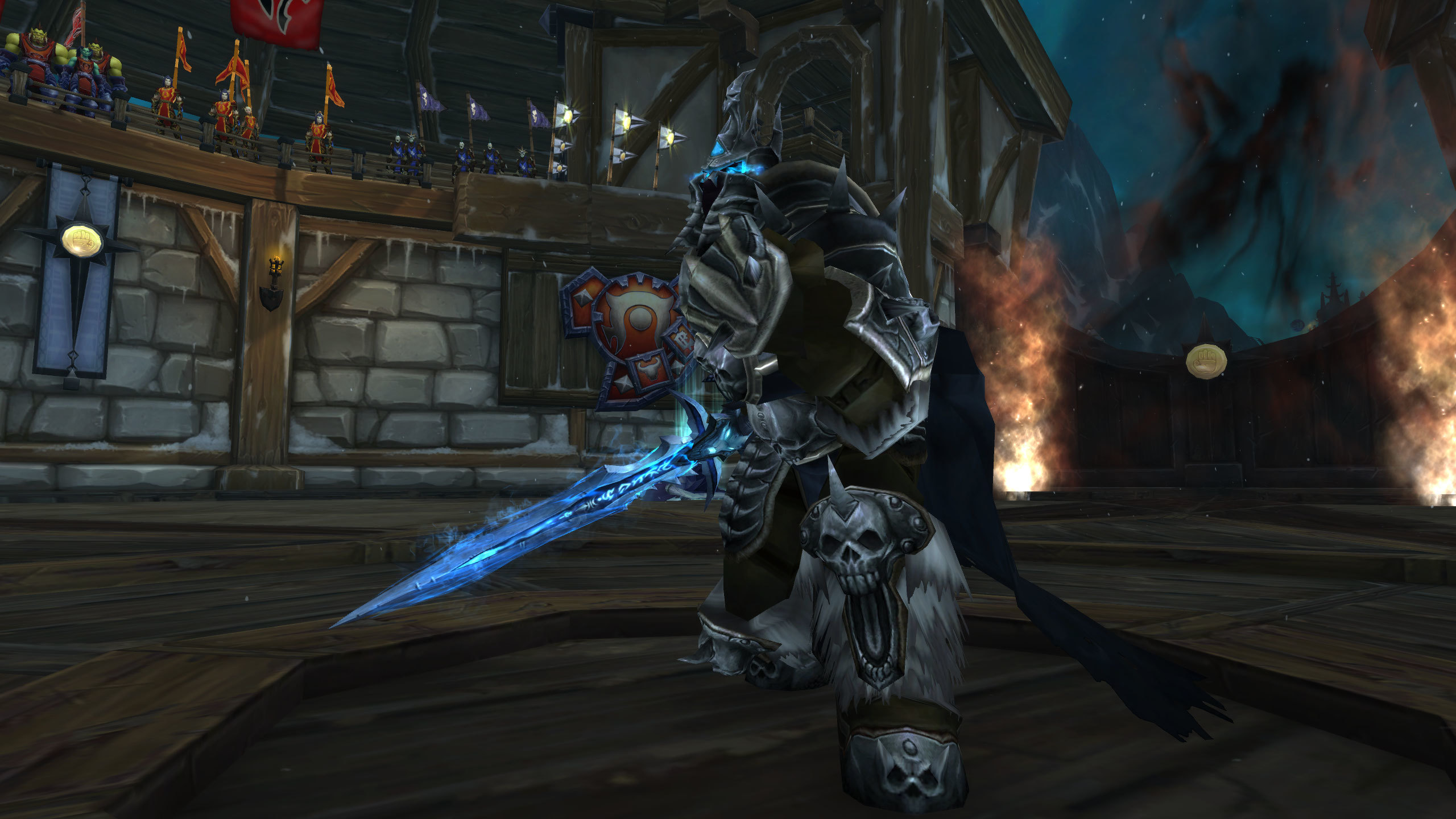
The release of the Dragonflight expansion represents a pivotal moment for World of Warcraft’s long-term relationship with its established veteran player base. Following periods characterized by excessive, restrictive systems (e.g., Covenants, Azerite Power), Dragonflight was marketed as a return to core RPG values and player agency. This analysis critically assesses the expansion’s key features—specifically the talent tree rework and the focus on exploration—to determine if the design philosophy sufficiently addresses the primary sources of veteran disillusionment, thus qualifying it as a ‘make-or-break’ release.
This report quantifies the justification for veteran confidence based on system flexibility metrics and narrative execution scores.
Evaluation Criteria: System Flexibility Score, Core Fantasy Engagement Index, and Content Longevity Metric
Dragonflight’s success in attracting and retaining veterans is measured by three criteria. First, System Flexibility Score quantifies the degree of player choice in character progression, prioritizing systems with minimal mandatory external grind (e.g., the new talent trees).

Second, Core Fantasy Engagement Index assesses the success of the narrative in capturing the established ‘spirit’ of Azerothian adventure, free from cosmic scale overload. Third, Content Longevity Metric evaluates the inherent replayability and time-gating severity of new content cycles. A high System Flexibility Score is crucial for justifying a long-term return.
The Talent Tree Rework: Apex of System Flexibility
The wholesale redesign of the talent system, abandoning the restricted row format for a deep, bifurcated tree, grants Dragonflight an extremely high System Flexibility Score.

This change directly addresses years of veteran critique regarding prescriptive character builds and mandatory choices, allowing players to theorycraft and adapt builds without relying on external currency grinding. This player agency provides significant justification for veteran return, as it restores a core RPG tenet previously compromised by linear expansion systems.
Returning to Azerothian Scale: High Core Fantasy Engagement
Dragonflight successfully pivots the narrative away from cosmic conflicts and multi-dimensional threats, focusing instead on the exploration of a historically relevant, previously inaccessible zone (the Dragon Isles). This move yields a high Core Fantasy Engagement Index.

Veteran players had expressed fatigue with the escalating stakes of recent expansions. By refocusing on localized threats and familiar factions, Dragonflight successfully leverages nostalgia and provides a narrative framework that feels grounded and integrated into the established world map, offering necessary justification for narrative investment.
The Content Longevity Challenge: Avoiding System Rot
While System Flexibility is high, the Content Longevity Metric faces scrutiny. The success of Dragonflight hinges on whether the core progression systems—such as Dragonriding and the revamped professions—can maintain player interest over multiple patches without introducing new, mandatory, or arbitrarily time-gated progression bars. If the expansion reverts to previous patterns of system bloat or forced horizontal progression, the initial System Flexibility advantage will rapidly erode, undermining the long-term justification for veteran retention.
Dragonflight Veteran Retention Analysis List: Feature Justification
- Talent Tree Rework: Fully Justified; restores agency and critical RPG depth.
- Narrative Scale Reduction: Highly Justified; alleviates cosmic fatigue and enhances Core Fantasy Engagement.
- Dragonriding Mechanic: Moderately Justified; provides unique, engaging mobility but faces questions regarding long-term integration utility.
- Professions Rework: Partially Justified; adds depth but complexity risks alienating casual players, impacting overall retention breadth.
Conclusion: An Opportunity, Not a Guarantee
Dragonflight possesses the necessary design changes (high System Flexibility Score and Core Fantasy Engagement Index) to justify a mass return of disgruntled veteran players. The expansion represents a substantial effort to correct years of structural design errors.
However, it is only Blizzard’s “last chance” if future content cycles fail to sustain this commitment to player agency and grounded fantasy. The retention of the veteran player base hinges on the Content Longevity Metric proving that the initial fixes are permanent design commitments, not temporary features.
